Importantance of Organic Culture
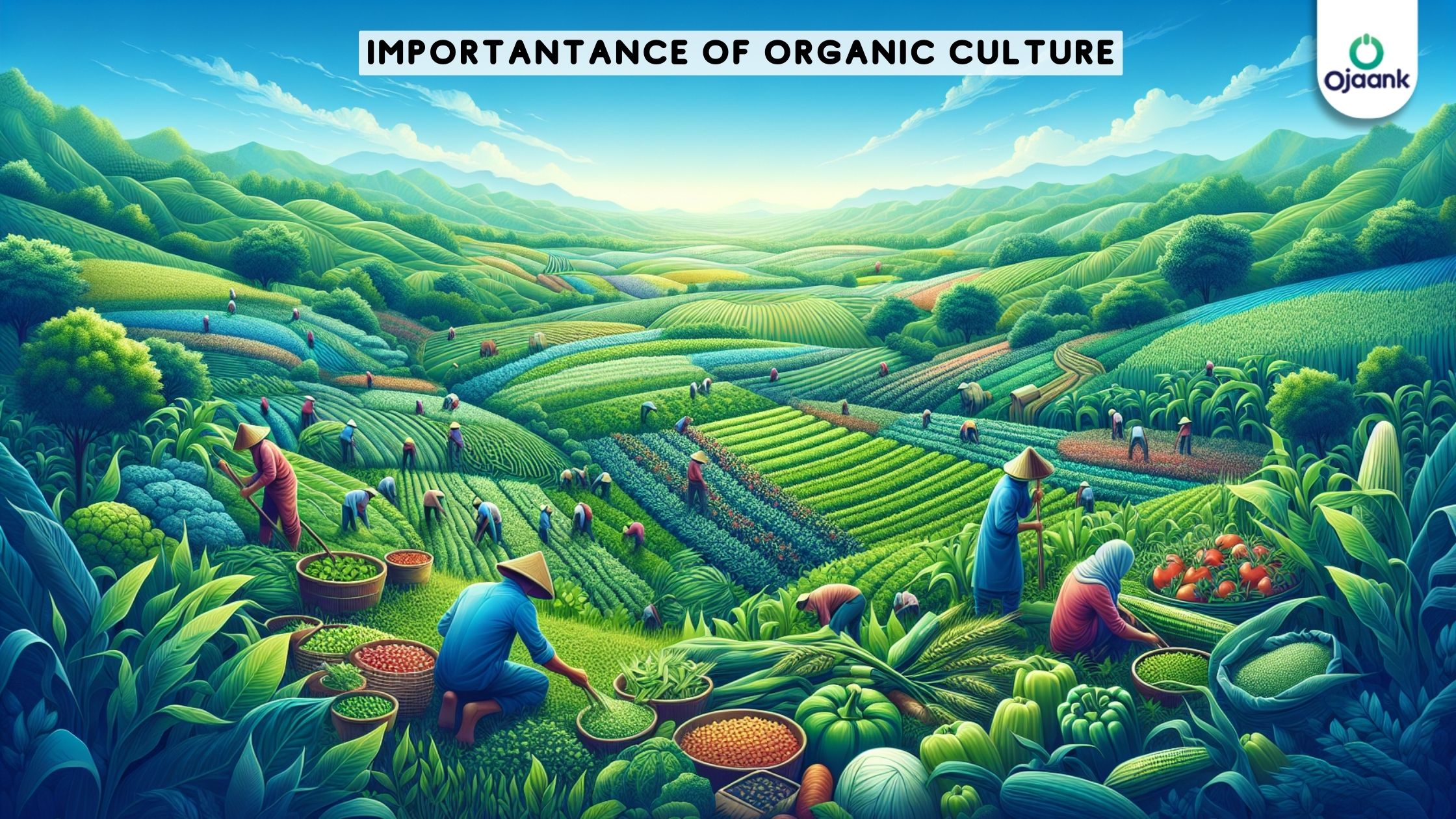
Cultivating a Healthier World: The Vital Role of Organic Culture
1. Understanding Organic Culture
1.1. Definition and principles of organic farming
Organic farming is an agricultural approach that focuses on cultivating crops and raising livestock without the use of synthetic pesticides, fertilizers, or genetically modified organisms. The core principles include maintaining soil health, promoting biodiversity, and working in harmony with natural ecosystems.
1.2. Historical context and evolution
The roots of organic farming can be traced back to the early 20th century, as a response to the increasing industrialization of agriculture. Pioneers like Sir Albert Howard and J.I. Rodale laid the groundwork for what would become the modern organic movement. Over time, organic practices have evolved and gained recognition as a viable alternative to conventional farming methods.
1.3. Key differences between organic and conventional agriculture
The primary distinctions between organic and conventional farming lie in their approaches to pest control, soil management, and overall environmental impact. Organic farmers rely on natural methods like crop rotation and beneficial insects, while conventional agriculture often depends on synthetic chemicals and genetically modified crops.
2. Environmental Benefits of Organic Practices
2.1. Soil health and conservation
Organic farming practices prioritize soil health through methods such as composting, cover cropping, and minimal tillage. These techniques help to maintain soil structure, improve water retention, and foster beneficial microorganisms. In my experience visiting organic farms, I've observed firsthand how rich and fertile the soil can become when managed organically.
2.2. Biodiversity preservation
By avoiding synthetic pesticides and promoting diverse crop rotations, organic farms create habitats that support a wide range of plant and animal species. This increased biodiversity contributes to ecosystem stability and resilience.
2.3. Reduction in chemical pollution
The absence of synthetic pesticides and fertilizers in organic farming significantly reduces chemical runoff into water systems and surrounding ecosystems. This reduction in pollution helps protect aquatic life and maintain cleaner water sources for both wildlife and human consumption.
3. Health Implications of Organic Food Consumption
3.1. Nutritional content comparison
Research suggests that organic produce may contain higher levels of certain nutrients, particularly antioxidants. However, the overall nutritional differences between organic and conventional foods are still a subject of ongoing study and debate.
3.2. Reduced exposure to pesticides and synthetic chemicals
Choosing organic foods can significantly lower one's exposure to synthetic pesticide residues. This reduction is particularly important for vulnerable populations such as children and pregnant women.
3.3. Potential impact on chronic diseases
Some studies indicate that a diet rich in organic foods may be associated with a lower risk of certain chronic diseases, including certain types of cancer and metabolic disorders. However, more research is needed to establish definitive links.
4. Economic Aspects of Organic Farming
4.1. Market trends and consumer demand
The organic food market has experienced steady growth in recent years, driven by increasing consumer awareness and demand for healthier, environmentally friendly options. This trend has created new opportunities for farmers and food producers.
4.2. Challenges and opportunities for farmers
Transitioning to organic farming can be challenging, requiring significant investment and a learning curve. However, it also presents opportunities for farmers to access premium markets and potentially increase their profitability in the long term.
4.3. Long-term sustainability and profitability
While initial costs may be higher, many organic farms achieve long-term sustainability and profitability through reduced input costs, improved soil health, and access to premium markets.
5. Social and Ethical Considerations
5.1. Fair labor practices in organic agriculture
Organic certification often includes standards for fair labor practices, promoting better working conditions and fair wages for farm workers. This aspect of organic farming aligns with growing consumer interest in ethically produced food.
5.2. Community engagement and support
Many organic farms engage closely with their local communities, offering educational programs, farm tours, and participating in local food initiatives. This connection helps strengthen local food systems and promotes food literacy.
5.3. Animal welfare in organic farming
Organic standards typically include provisions for animal welfare, such as access to outdoors and restrictions on the use of growth hormones and antibiotics. These practices aim to provide a more natural and humane environment for livestock.
6. Organic Certification and Regulations
6.1. Global standards and certification processes
Organic certification processes vary by country but generally involve strict standards for production methods, record-keeping, and regular inspections. These standards help ensure the integrity of organic products for consumers.
6.2. Challenges in maintaining organic integrity
As the organic market grows, maintaining the integrity of organic standards becomes increasingly complex. Issues such as fraud and contamination from neighboring conventional farms pose ongoing challenges for the industry.
6.3. Consumer trust and transparency
Transparent communication about organic practices and certification processes is crucial for maintaining consumer trust. Many organic producers are embracing technology to provide greater traceability and information about their products.
7. Future of Organic Culture
7.1. Technological advancements in organic farming
Innovations in areas such as precision agriculture, biocontrol methods, and data analytics are helping organic farmers improve yields and efficiency while maintaining their commitment to sustainable practices.
7.2. Scaling up organic production to meet global demand
As demand for organic products continues to grow, the industry faces the challenge of scaling up production without compromising its core principles. This may involve developing new organic farming techniques suitable for larger-scale operations.
7.3. Integration with other sustainable farming practices
The future of organic farming may involve greater integration with other sustainable agriculture approaches, such as agroforestry and regenerative agriculture, to create more resilient and productive food systems.
Summary
Organic culture represents a holistic approach to agriculture that prioritizes environmental stewardship, human health, and social responsibility. While challenges remain, the growing adoption of organic practices offers promising solutions for creating a more sustainable and equitable food system.
Frequently Asked Questions
What makes food organic?
Organic food is produced without the use of synthetic pesticides, fertilizers, or genetically modified organisms, following strict standards set by certifying bodies.
Is organic food more expensive, and why?
Organic food often comes with a price premium due to higher production costs, lower yields, and the expenses associated with certification and compliance with organic standards.
How does organic farming impact climate change?
Organic farming practices, such as reduced tillage and increased soil organic matter, can help sequester carbon and potentially mitigate climate change impacts.
Can organic agriculture feed the world's growing population?
This is a complex question with ongoing debate. While organic yields can be lower, some research suggests that with proper management and continued innovation, organic methods could potentially meet global food needs.
What are the main challenges facing organic farmers today?
Key challenges include pest and disease management without synthetic chemicals, maintaining soil fertility, accessing organic seeds and inputs, and competing with conventional agriculture in terms of yield and price.