NATO Collective Defence & Article 5: Washington Treaty, Structure & FAQs
NATO Collective Defence & Article 5: Washington Treaty, Structure & FAQs
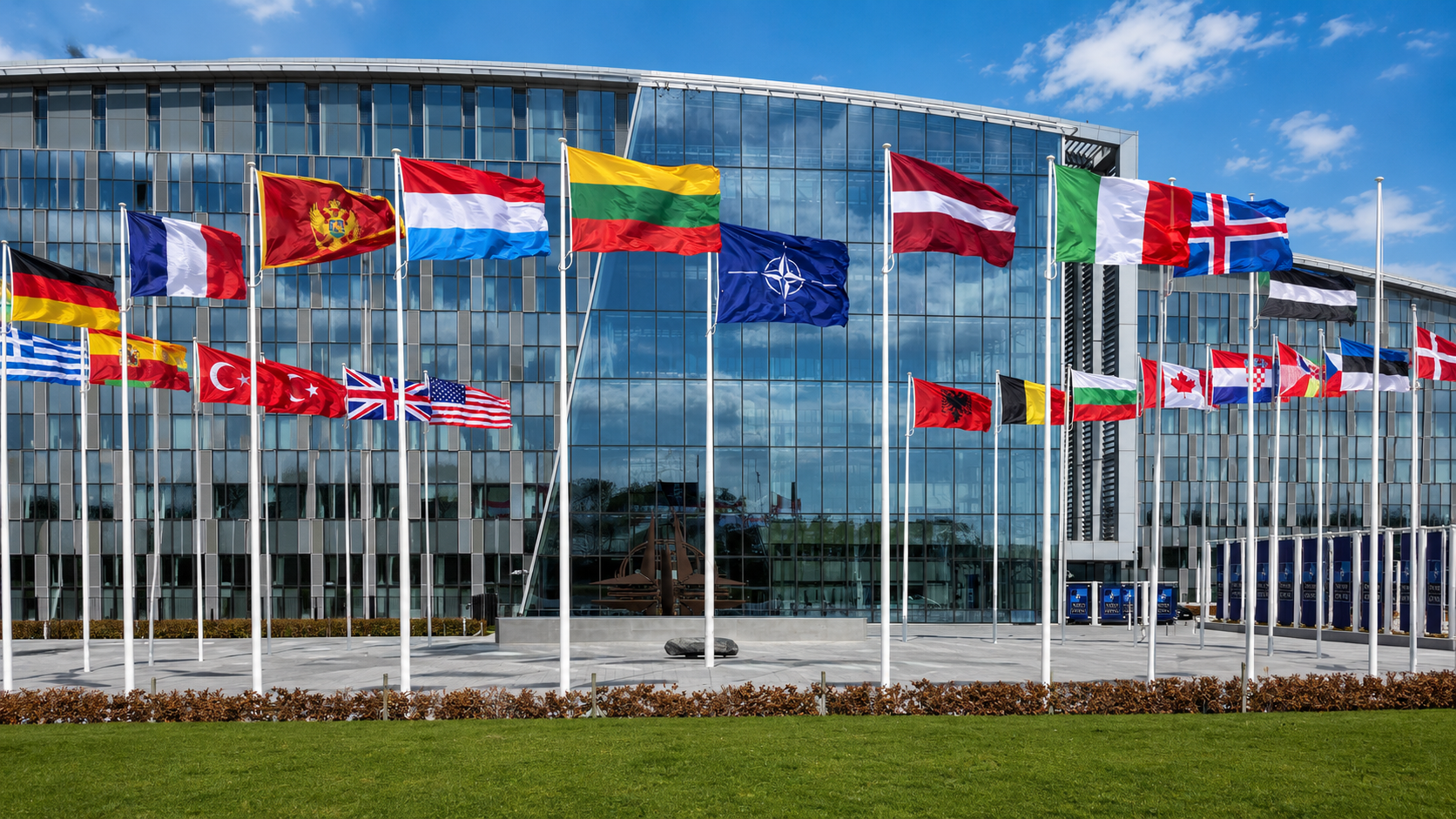

North Atlantic Treaty Organization (NATO) and Collective Defence: The Washington Treaty, Article 5 & Structural Architecture
The North Atlantic Treaty Organization (NATO) stands as the world's primary intergovernmental political-military collective defence alliance. Against a backdrop of shifting transatlantic dynamics, escalating regional conflicts, and evolving hybrid threats, member nations have continuously reaffirmed their commitment to collective defence under Article 5 of the Washington Treaty while pushing for increased national defence expenditure commitments.
This development activates NATO’s core treaty mechanisms, its strict consensus-driven decision-making framework, and the fundamental principle of regional collective security.
What is NATO? Legal Basis & Definition Boundary
Established by the North Atlantic Treaty (commonly known as the Washington Treaty) on April 4, 1949, NATO was formed to guarantee the freedom and security of its members through political and military means.
Legal Definition & Scope
-
What it IS: A regional collective defence alliance operating under Article 51 of the United Nations Charter, which recognizes the inherent right of individual or collective self-defence.
-
What it is NOT:
-
It is not a supranational government; member states retain full sovereignty.
-
It is distinct from the UN Collective Security System—while the UN Charter addresses global peace maintenance via the Security Council, NATO is a regional treaty-based defence covenant.
-
It does not possess a single autonomous, "NATO-owned" standing national army. Military capabilities are contributed by individual sovereign member states under an integrated military command structure.
-
The Core Anchor: Article 5 and Collective Defence
The core pillar of the Washington Treaty is Article 5, which enshrines the principle of collective self-defence:
"An armed attack against one or more of them in Europe or North America shall be considered an attack against them all."
                     ARTICLE 5 MECHANISM IN ACTION
 ┌─────────────────────────────────────────────────────────────────┐
 │                                 Armed Attack on a NATO Member State               │
 ├─────────────────────────────────────────────────────────────────┤
 │                                                                 │
 │  Trigger: Invocation of Article 5 by the affected member.        │
 │                                                                 │
 │  Action: Every member state assists the attacked party by       │
 │          taking "such action as it deems necessary", including   │
 │          the use of armed force.                                │
 │                                                                 │
 └─────────────────────────────────────────────────────────────────┘
Critical Nuances of Article 5
-
Self-Determined Action: Article 5 does not automatically mandate an identical military response from every ally. Each country determines what assistance it "deems necessary" (ranging from intelligence sharing and diplomatic backing to direct military deployment).
-
Historical Invocation: Article 5 has been invoked only once in NATO's history—following the September 11, 2001 terrorist attacks on the United States.
-
Geographical Scope (Article 6): The application of Article 5 is geographically defined under Article 6. It primarily covers member territories in Europe, North America, islands under member jurisdiction in the North Atlantic area north of the Tropic of Cancer, and forces deployed within these zones. Consequently, overseas territories or distant colonial conflicts historically fell outside this scope.
Decision-Making & Governance: The Rule of Consensus
NATO operates on a fundamental political principle: Consensus Decision-Making.
                   NATO INSTITUTIONAL ARCHITECTURE
 ┌─────────────────────────────────────────────────────────┐
 │              NORTH ATLANTIC COUNCIL (NAC)               │
 │       Principal Political Decision-Making Body          │
 ├─────────────────────────────────────────────────────────┤
 │  • Chaired by Secretary General                         │
 │  • Composed of Permanent Representatives (Ambassadors)  │
 │  • Operates strictly by CONSENSUS (No Majority Voting)  │
 └────────────────────────────┬────────────────────────────┘
                              │
                              ▼
 ┌─────────────────────────────────────────────────────────┐
 │             MILITARY COMMITTEE & COMMANDS               │
 │        Strategic Planning & Operational Coordination    │
 └─────────────────────────────────────────────────────────┘
-
North Atlantic Council (NAC): The ultimate political authority within NATO. Every member state has a seat at the NAC table.
-
Consensus Rule: There is no voting or majority rule at NATO. Decisions express the collective will of all member states. A single member state can block a decision by withholding consent, ensuring that all policies reflect unanimous agreement.
-
Article 4 Consultations: Separate from Article 5 military action, Article 4 allows any ally to formally request consultations whenever they feel their territorial integrity, political independence, or security is threatened.
Burden Sharing and Defence Expenditure Commitments
A central topic of discussion within NATO is defence expenditure. To ensure operational readiness and equitable burden-sharing, member states established target benchmarks:
-
The 2% GDP Benchmark: At the 2014 Wales Summit, allies agreed to spend at least 2% of their Gross Domestic Product (GDP) on national defence.
-
Equipment Allocation: At least 20% of defence budgets should be allocated toward major new equipment, including research and development.
-
Evolving Standards: In recent summits, the 2% guideline has increasingly been treated as a floor rather than a ceiling to address modern multi-domain security challenges (cyber warfare, space assets, and integrated air defense).