Unraveling the Mysteries of Storms: An In-Depth Scientific Analysis

Understanding the Dynamics of Storm Formation
Storms, a formidable manifestation of nature's power, have always intrigued and challenged humankind. Their formation is a complex interplay of atmospheric conditions, influenced by various environmental factors. Understanding these dynamic processes is crucial for predicting storm patterns and mitigating their impact.
The Science Behind Storm Development
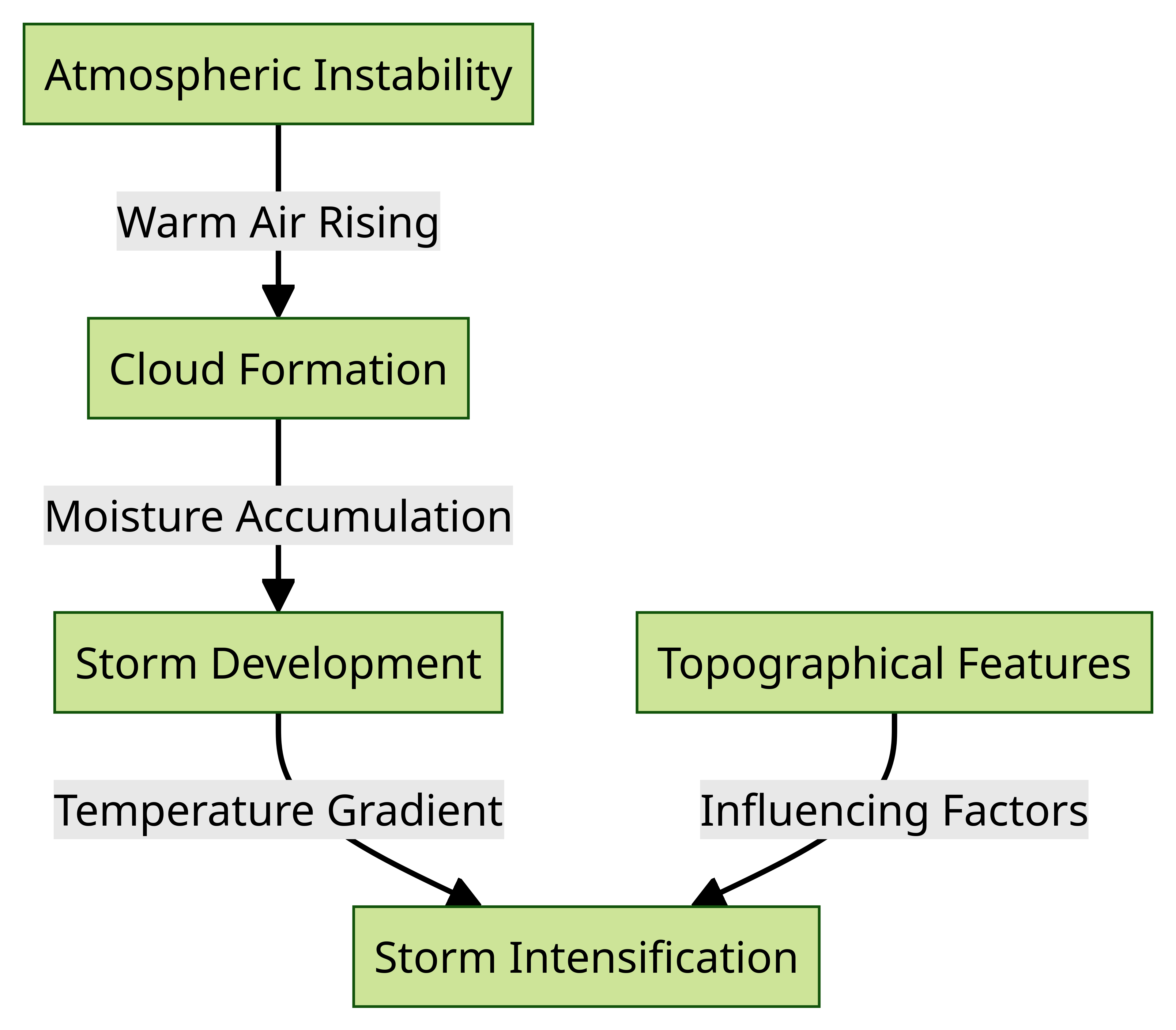
- Atmospheric Instability: Key to storm formation, this occurs when warm, moist air rises and collides with cooler air.
- Moisture Accumulation: The presence of abundant moisture in the air is essential for the development of storm clouds.
- Temperature Gradient: A significant temperature difference between layers of the atmosphere contributes to storm intensity.
Impact of Topographical Features
Geographical features like mountains and oceans play a pivotal role in influencing storm behavior and trajectory.
Analyzing Different Types of Storms
Classification of Storms
Storms come in various forms, each with unique characteristics and impacts. Understanding these classifications helps in better preparation and response strategies.
Major Storm Types
- Thunderstorms: Characterized by lightning, thunder, and occasionally, severe wind gusts.
- Tropical Storms: Form over warm ocean waters, with strong winds and heavy rain.
- Tornadoes: Intensely powerful, these spiral storms are capable of immense destruction.
Factors Influencing Storm Intensity
The severity of a storm is influenced by atmospheric conditions, water temperatures, and geographical location.
Technological Advancements in Storm Prediction
Leveraging Modern Technology for Accurate Forecasts
Advancements in meteorology have significantly improved storm prediction accuracy. High-tech tools and models play a crucial role in monitoring and forecasting storm activities.
Key Technologies
- Satellite Imagery: Provides real-time data on storm development and movement.
- Radar Systems: Essential for tracking precipitation and wind patterns within storms.
- Computer Modeling: Sophisticated models simulate atmospheric conditions to predict storm paths and intensity.
Enhancing Preparedness and Response
These technological tools aid in early warning systems, allowing for timely evacuations and preparations, thereby saving lives and property.
Diagram: The Storm Formation Process
Conclusion: Advancing Our Understanding of Storms
In summary, the science of storm formation and prediction is a continually evolving field, essential for safeguarding communities and managing the impact of these natural phenomena. With ongoing research and technological innovation, our understanding and ability to predict and respond to storms will only enhance, contributing to a safer and more resilient society in the face of nature's most powerful forces.